Role: Editor, Writer, Voice Actor
Sound, more than image, has the power to manipulate an audience’s emotions.
Certain sounds can make us feel uncomfortable. While other sounds can make us feel terrified but when combined with moving images sound can illuminate.
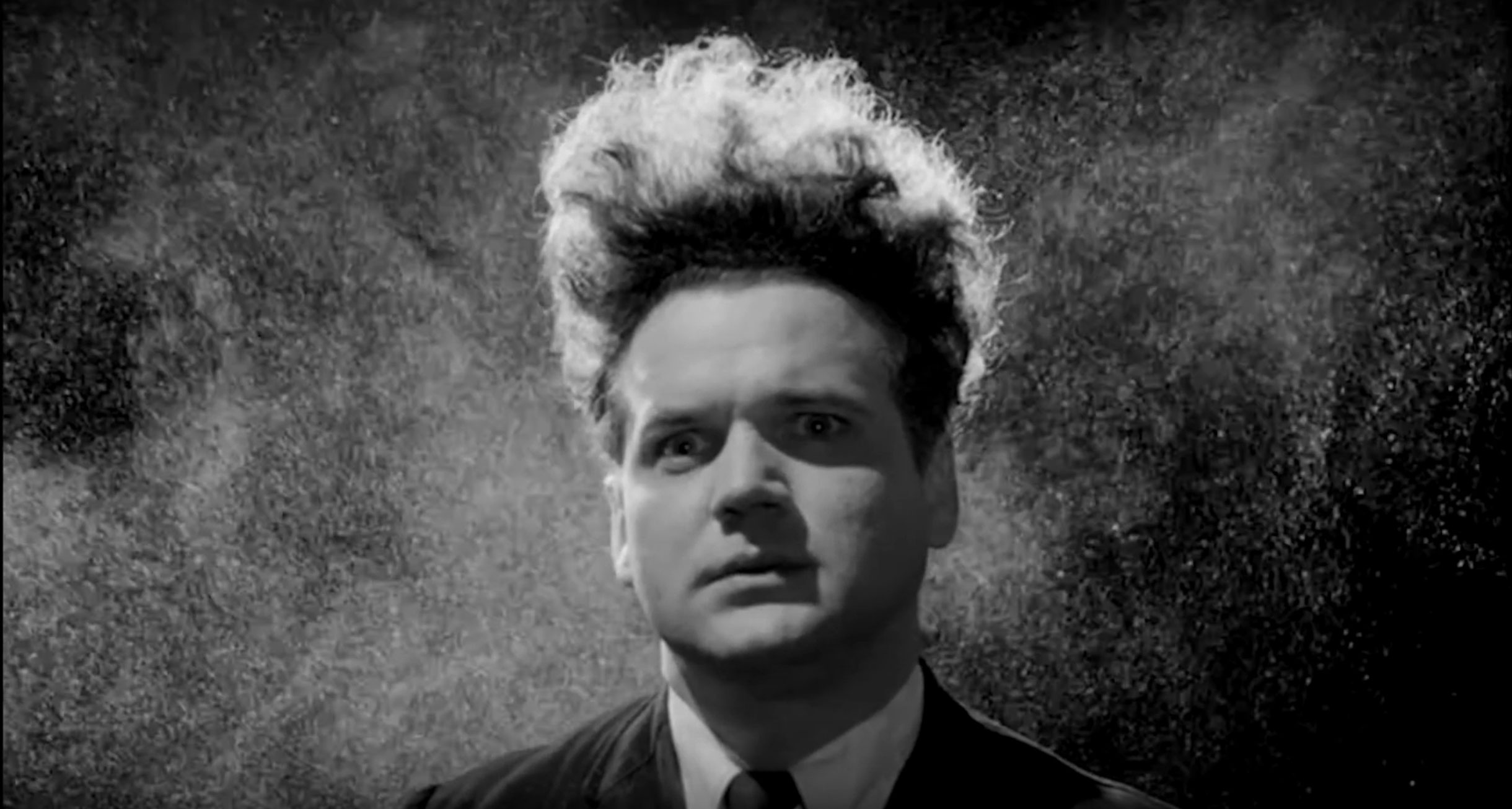
Eraserhead’s soundtrack is dense, and it’s constant. By thoughtfully moving sounds to the foreground and synching them with shot reverse shot sequences: we are able to imply subjectivity. This allows us to ultimately understand what characters are feeling. Through its dynamic use of sound, Eraserhead guides us through the psyche of a man struggling to maintain his sense of balance.
Creation and destruction, this is at the core of David Lynch’s surreal debut. By blurring objectivity Henry’s transition from creator to destroyer becomes a more visceral experience.
Take the sequences, with Henry and his radiator, the background noises seem to melt. The radiator becomes exaggerated in its loudness and its pitch grows higher. This is Henry’s world, his place of solace and contemplation. It isn’t until he is reminded of the world outside that the sound reverts back to normal. These visual and aural motifs evolve each time they are repeated as Lynch sets the stage for a confrontation.
A clash between two internal forces that seem to be driving Henry. At the start of the film we are met with a man, an entity that seems to be watching over Henry. As he pulls the levers within his room the sound of its mechanism carries over the cut. This synching of sound and image implies a causal relationship. We can conclude that he is controlling Henry.
He is contested by the lady in the radiator. A malevolent figure of Henry’s own imagining. Who, rather than controlling Henry, almost seems to be trying to seduce him. Influencing him to act violently. It isn’t until Henry and the lady in the radiator meet face to face that we are met a glimpse of something. We hear a tone resembling that of the radiator. Only it’s much louder and more present than we’ve ever heard it before. And in the background we can hear the sounds of a wailing child.
Henry must make a choice, the consequences of which we see play out in the film’s conclusion. These two forces finally come to a head in the film’s closing. The tones of the planet fighting with the sounds of the radiator. Henry ultimately succumbing to the seductive nature of destruction as we are assaulted with growing sound of the radiator as the film comes to a close.
By experiencing Henry’s journey, visually and aurally, we can better understand his fate. We all have the capacity to create, and to nurture but it’s held in stark contrast with our capacity for destruction. Through sight and sound David Lynch lends insight on this very human struggle, and shines a light on the internal duality of man.